Cyberbullying affects as many as one-half of all adolescent and teen students, but educators often don’t understand their responsibilities when dealing with a student who bullies. While most school districts have a bullying policy in place, the lines are blurred when the bullying takes place online. When every teacher and principal takes online threats seriously and understands their responsibilities, they can hold open conversations at school and effectively handle students who choose to bully.
What constitutes cyberbullying
A student who participates in the following activities can be considered a cyberbully:
Sending harassing text messages or emails
Posting sexual threats, pictures or invitations
Calling names
Spreading rumors on real or fake Facebook accounts
Posting rude or crude comments anywhere online
Voting about whether a student is fat, gay or a “loser”
Handling a bully
After all, schools are entrusted with children and must provide for their safety. Parents must be involved when a brick-and-mortar school or online principal and staff handle a bully.
Next, the school guidance counselors may be called in to talk with the student and address any emotional, family or external concerns and factors. Additionally, the bully must be punished.
A behavior contract outlines the grievance and gives the bully alternative behaviors to display. He or she should also lose a privilege, receive a community service assignment or be suspended or expelled from school. Bullies should write a letter of apology to the victim.
This is one effective form of restitution. Losing access to school-issued devices outside of school is another punishment that may fit the crime. In severe cases, the bully may face criminal charges.
Educating the school community
In addition to enforcing the school’s anti-bullying policy, educators can implement several preventative techniques.
Establish a no-bullying policy that helps students understand what bullying is and how to handle it
Teach internet responsibility to all students
Host open conversations about friendship, handling conflict and understanding how today’s actions affect a student’s future
Encourage open conversation between students, teachers and parents
Create a safe place where students can report bullying
Involve parents in monitoring and reporting cyberbullying
Monitor school-issued devices in and out of the classroom
Create a safe, supportive environment
As a teacher, you can create a place that’s safe and supportive. This means teaching students to welcome and include everyone. This also involves monitoring traditional bullying hot spots and encouraging students to open up about incidents of bullying so they can be addressed by you, and other staff members, immediately — before it’s too late.
The definition of cyberbullying remains sketchy. Educators cannot completely eradicate the issue, but they can work to protect student victims. Part of the solution is handling bullies with a firm hand. Cooperating with the school policy and including parents and law enforcement personnel ensure the school remains a safe place for every student.
Facebook, Instagram and Twitter may be the main social networks used to keep in touch with friends, but, worryingly, they are also the main sites used for cyberbullying and internet trolling.
Over 50 percent of young people have reported being bullied online or via their mobile phone. Cyberbullying is by no means a new issue, but with an increasing number of social media sites, and access to technology, it is one that is increasingly affecting young people around the world.
Cyberbullying, also known as digital, or technology-assisted bullying, can be especially harmful or distressing due to several factors. Unlike face-to-face bullying, cyberbullies often post images of the victim with offensive posts or hurtful comments. Such images can be shared with not just the victim’s friends and family but also with millions of people around the world. Bullies can anonymously abuse their victims as they hide behind false names or profiles.
One of the biggest issues around cyberbullying and, its increase, is that lawmakers have struggled with its definition. Some say that bullying (including cyberbullying) has to happen repeatedly and often to constitute ‘bullying’. However, alongside many other eminent authors on the topic, suggest that it can, in fact, be a one-time occurrence.
And once is all it takes to cause significant long-term damage. If an offensive image or post is put online, for example, then that image or post can last forever.
The three rules of the Internet
While parents and teachers have a duty of care when it comes to online safety, the best way to prevent cyberbullying is to educate young people. It’s important to remember that most children who are bullied online know their bullies, according to study, so it’s a good idea to watch out for issues at school and at home.
Survey has suggested three key points that parents and teachers should encourage children to remember when posting online:
“Firstly, we must encourage children to be digitally savvy; they need to know how the technology works and that what they post can last a long time. Secondly, we must teach them digital-civility by asking: ‘It this post/comment true? Is the post/comment necessary? Is this post/comment kind?’ Thirdly, children must know how to be digitally safe and ensure they are not vulnerable when online.”
Five warning signs of cyberbullying
The child appears upset, withdrawn or angry after receiving emails, social network notifications or text messages
There maybe a reluctance to leave the house or socialize at break times. Children seem withdrawn in class and in interactions with family and friends.
Children may become more secretive about their online activities
Blocking numbers, email addresses and social media accounts
Children suddenly delete their social networking profiles and accounts.
How To Recognize The Signs & Beat The Bad Behavior
Many of us have dealt with bullying at some point in our lives. For kids today, however, bullying is more pervasive than ever, thanks to rapidly advancing technologies and like mobile devices and social media platforms.
Bullying used to take the form of harsh words on the playgrounds, shoves in the hallways, or notes passed in study hall. Today, it can be done from and to anywhere.
What is CyberBullying ?
The term “cyberbullying” includes a range of aggressive behaviors committed via modern technology. The goal of cyberbullying is to harass, demean, intimidate, or taunt another person with the intent to hurt or embarrass them. The most common forms of cyberbullying are offensive name-calling or the spread of false or harmful rumors.
Signs of CyberBullying
Although there is no one telltale indication that someone is being cyberbullied, both parents and children should become familiar with its signs. Knowing what to look for can help parents and caregivers protect their kids as well as enabling teens to spot warning signs in their friends or siblings.
Misplaced, damaged, or lost belongings
Unexplained physical injuries
Secrecy around mobile devices or computer accounts
Increased reticence to attend school, calling in sick, or skipping school
Changes in academic performance or group activities
Stealing money from friends and family
Negative mood changes, insomnia, or appetite problems
Self-destructive behavior.
How to Prevent or Stop CyberBullying
Protecting your child from cyberbullying requires vigilance on the part of parents and caregivers, but kids can help their friends too. Here are some prevention strategies everyone can use — including time-tested anti-bullying methods and recommendations for helpful technologies.
Even if you don’t think your child is being bullied online, talking to them about the subject is a great first step.
Discuss what cyberbullying is.
Ask if they know anyone who is being or has been cyberbullied.
Discuss what your child should do if they notice someone being bullied online.
Encourage your child to tell you or someone else they trust if they receive a threatening message.
Reassure them that they won’t be in trouble for this and won’t have their cell phone or computer confiscated.
Prevent Cyberbullying Before It Starts
It’s not possible to predict or prevent every form that cyberbullying can take, but your kids can follow some general guidelines that help prevent it.
Don’t forward any type of bullying messages or images.
Use peer pressure to ensure your friends consider cyberbullying off-limits.
Don’t share personal information of any kind — including addresses and phone numbers.
Never share your passwords with anyone except your parents.
Talk to your parents or another trusted adult if you aren’t sure about someone’s behavior toward you.
Never post or text anything that you wouldn’t feel comfortable sharing with all your classmates.
Don’t post angry!
Treat people the way you’d want to be treated yourself.
I’m here to give off my weekly report of my findings of humans, and I reached a interesting topic that I would like to share with you all, especially those who are not familiar with the topic of Ethical Hacking.
To start off, what is hacking?
To be quite blunt, defining what it means to hack can mean a whole lot of things. For one, people often attribute hacking to actions accessing someone else’s account, while others attribute hacking to a person typing on a keyboard and getting an “ACCESS APPROVED” screen, as often shown on popular TV shows and movies. However, this is far from the truth. Getting into someones account doesn’t immediately constitute hacking, as you may just have an easy to guess password or maybe you use a single password across multiple accounts, and therefore all your accounts are compromised.
To get back on topic, the definition of hacking is by gaining access to unauthorized material/data that you would never normally see. This unauthorized data could be usernames and passwords, photos, or any other data that shouldn’t be accessed.
” you might say, “doesn’t this describe what you explained above?”
This is where I want to bring up the act of hacking.
The act of hacking is what most people think of when they hear the term “hacking.” This, as I mentioned above, is often depicted in popular media as a person sitting behind a keyboard, typing gibberish, and somehow “breaching” the system they were trying to get into. Although the act of hacking does include an actual human behind the computer typing on a keyboard, it is more complex than that.
Often times, “hackers” design programs that exploit the flaws present in whatever language/system they are trying to get into. A really great example of this kind of hack can be found in this video. Although this is not a particular endorsement, I also highly recommend anyone interested in computer science or mathematics to check out the channel as well.
Therefore, “hackers” often don’t brute force their way into machines, but exploit them for their flaws. It is from these flaws that they then can access unauthorized data. Therefore, a massive breach of data from a largely used company like Google or Apple could lead to devastating consequences. The data exploited could not only include usernames and passwords of users, but also include phone number, address, and credit card numbers.
Therefore, how do these large companies secure their data?
This is where ethical hackers come into play. These hackers are hired by a company to find and report areas of concern within databases, user interfaces, and internal servers. Therefore, these hackers are very important because if the ethical hacker finds a very problematic vulnerability within the system, the system programmers can start to work and address the vulnerability before a hacker can find it and use it to their advantage.
As I continue my research, I see the increasing use of websites as a way to communicate with others from around the world. It breaks many language and land barriers and allows for the fruition of knowledge and development of newer technology. Therefore, the security of these systems must be kept, and therefore I appreciate the work that these ethical hackers do.
Ethical Hacking Helps in Increasing Company’s Security System
Ethical Hacking, the word itself defines hacking but in an ethical way. In Ethical hacking there is a professional hacker or a crew of hackers who try to hack a laptop or the security machine within the corporation
Having such hackers in the corporation could assist the organization to understand the loop holes that are dangerous to the enterprise’s protection structures. There are many groups and agencies which lease professional website hacker who’re understanding in their area of hacking. There professional use their methods of hacking either the computer hardware or software program, or both. In this technique, the enterprise could realize the loop holes that allow the unethical hacker to get into the safety device of the company. These loop holes will then be covered by growing different software program which shield the company’s statistics. Once those loop holes are protected the hackers would once more attempt to interrupt via the safety system and take a look at the opposite loop holes which permit the out of doors hackers get into the agency’s community.
The term hacker refers to a person who attempts to invade into the safety machine of an business enterprise and tries to hack or taking the passwords of a computer or a user who uses the laptop and changes the statistics of the laptop or the person. The results of hacking could be changing the passwords of the person and now not letting the person take the possession of the PC or the information. The man or woman who tries to invade into the laptop without permission is referred to as intruder. Organizations rent such professional hackers and examine their security gadget time to time; with the intention to cover up the loop holes from which any other hacker can get into their security gadget.
Ethical hacking is likewise known as white hat method and unethical hacking is known as Black hat strategies. The groups Social media hackers for hire who are specialized inside the area and are licensed into it. There are Grey hat hackers who aren’t employed with the aid of the businesses, however those hackers would eventually hack the machine and allow the organization recognize that the gadget may be hacked with certain approach.
India’s proposed Personal Data Protection Bill — which would regulate how data of the country’s 1.3 billion people is stored, processed and transferred — could be on track for approval early next year.
Following the legislation’s introduction in Parliament last week, a Joint Parliamentary Committee of 20 members of Lok Sabha and 10 members from Rajya Sabha was formed. The committee will review the bill and submit a report with its findings to Parliament in January before the end of the 2020 budget session.
Key pieces of the legislation include the creation of a data protection authority, requirements for technology companies to obtain explicit permission for most uses of personal data and allowing citizens more ownership over their personal data. It also enables the central government to exempt government agencies from the bill’s requirements “in the interest of sovereignty and integrity of India.” Under the bill, social media intermediaries would be required to provide users an option to verify their identity. Additionally, it provides both the right to data erasure and the right to be forgotten, regulates research on data, and heavily regulates biometrics.
While the bill is slightly better structured than previous iterations, it does include more stringent regulations. There are concerns among Indian citizens it provides the government too much power, given its exemptions for government agencies.
Rahul Sharma, IAPP Country Leader for India
The definition of ‘sensitive personal data’, as laid out in section 2(36) of the Draft Bill, does not include the term ‘passwords’ any more. Sensitive personal data is now defined as such personal data which may, reveal, be related to, or constitute: • financial data • health data • official identifier • sex life • sexual orientation • biometric data • genetic data • transgender status • intersex status • caste or tribe • religious or political belief or affiliation, or • any other data categorized as sensitive personal data by the authority and the sectoral regulator concerned.
Key takeaways from the bill
Prohibition of processing of personal data
Restriction on retention of personal data
Grounds for processing of personal data without consent in certain cases
Processing of personal data for other reasonable purposes
Right to correction and erasure
Privacy by design policy
Transparency in processing of personal data
Classification of data fiduciaries as significant data fiduciaries
Data protection officer (DPO)
Prohibition on processing of sensitive personal data and critical personal data outside India
Conditions for transfer of sensitive personal data and critical personal data
Penalties
Sandbox for encouraging innovation
Re-identification and processing of de-identified personal data
The Draft Bill incorporates important aspects such as consent, reasonable purpose, processing of personal data only with consent. We may look forward to the Draft Bill being recognised as a law in the forthcoming budget session.
The bill has faced ample criticism as well –
The revised 2019 Bill was criticized by Justice B.N Srikrishna, the drafter of the original Bill, as having the ability to turn India into an “Orwellian State“. In an interview with Economic Times, Srikrishna said that, “The government can at any time access private data or government agency data on grounds of sovereignty or public order. This has dangerous implications.”
Apar Gupta of Internet Freedom Foundation notes that “Privacy is mentioned just once in this voluminous document — 49 mentions of ‘security’ and 56 mentions of ‘technology’ ” implying that the Bill doesn’t do enough to protect an individual’s privacy.
The debate on two categories of hacking is an on-going process. In both the types of hacking, the hacker gains access to resources and information. Generally, the term hacking is attached to the notion of illegal activity. Commonly raised question is that do these two categories really differ if the same function is performed in both? The difference is more moral in nature rather than technical. It is more of a question of morally right or wrong while the technical difference between the two is zero.
At its simplest, hacking is gaining access to a digital device, computer system, or network in an unauthorized or unintended way.
Hacking has a wide variety of applications—both good and bad—but it’s easy to see how hacking could be used for malicious purposes. Thus, we can tell the difference between ethical and unethical lies behind the ‘intentions of the hacker’.
What is Ethical Hacking?
An ethical hacker, also known as a white hat hacker, is a cybersecurity expert who tries to find security vulnerabilities to gain access to a digital device, computer system, or network.
The goal of ethical hacking is to evaluate the existing security system and find ways to strengthen and improve protection. When an ethical hacker finds vulnerabilities in a company’s software, the company can then resolve the issues before a malicious hacker can exploit them.
A true ethical hacker only starts hacking after receiving explicit permission from the owner.
Example 1: White Hat Hackers
What is Unethical Hacking?
Black hat hackers are those who hack illegally for self-gain or malicious purposes. This includes anyone who steals, leaks, accesses data, or disrupts computer devices and systems for malicious intent, financial gain, or any other motive.
The term “black hat” actually stems from old western movies where the criminal would be identified by his black attire and the hero would be recognized by his white hat.
Example 2: Black Hat Hackers
Is Ethical Hacking Legal?
In most of the world, existing laws on ethical hacking are ambiguous and don’t clearly cover all possible scenarios.
Both hackers and companies must take steps to protect themselves and make sure no laws are being broken.
In general, the best way for both parties to make sure they are legally in the clear is to sign a written agreement that defines the job that the ethical hacker is being hired to do.
One of the main differences between legal and illegal hacking is whether the hacking was authorized or unauthorized.
Becoming an Ethical Hacker
The real-world examples in the previous section show how a hacking code of ethics can make the difference between a hacker’s actions earning a $10,000 reward or a prison sentence.
Following ethical hacking guidelines is the only way to safely and legally get started as a hacker. It is also much easier to make money as an ethical hackerthan as a black hat or grey hat.
With the current booming demand for skilled ethical hackers creating jobs and driving up salaries, the outlook for aspiring white hat hackers has never been brighter.
Real Life Example
One of the most famous cases is Kevin Mitnick, an incredibly talented American black hat hacker who is believed to have gained unauthorized access to hundreds of devices and networksover several decades.
Mitnick evaded authorities for many years, but he was finally caught, arrested, and sentenced to five years in prison after a high-profile FBI pursuit in 1995.
Today, Mitnick is an extremely successful security consultant who has provided ethical hacking services to some of the largest companies in the world. The former black hat hacker’s story is both fascinating and inspirational to anyone who is considering a career in hacking.
Thanks to a growing awareness about the benefits of ethical hacking, there are a ton of resources and opportunitiesout there for ethical hackers to take advantage of.
Conclusion
Thus, it is safe to say that hackers break into systems entirely to check for gaps in it and rectify them to update the systems whereas crackers break into the systems with the intention of exploiting them and for personal gains. This is not only unethical but is also an illegal and criminal activity. White Hats are employed by organizations to carry out hacking after being subjected to a legal contract. On the other hand, Black Hats do not succumb to any approval or agreement as they intend to violate the security of any system that they desire. While a cracker encroaches on personal data and information and uses is to his own advantage, the hacker commits the same action to help a company or an individual to ward off attacks from these crackers.
Governments are attacking civilians in a time of peace, according to Brad Smith, President and Chief Legal Officer of Microsoft, at the RSA cyber security conference in San Francisco on 17 April 2018.
These attacks aren’t with tanks and warplanes, but with bytes and bots and they are aimed at our energy grids, our infrastructure, and even our private financial and other information.
It is believed that all the top 15 countries around the world in terms of military budget are developing cyber-offensive and defensive capabilities. In 2011, among the 193 UN member states, 68 countries had cyber security projects. However, in 2012, the number of such countries increased to 114, among which 47 countries had military cyber-security projects
These 47 countries are assessing their military capabilities in cyber-security while developing corresponding military theories. Against such a background, cyberspace arms control is becoming an important part of international arms control and disarmament. However, the number of current measures for arms control in this area is almost zero, which further highlights the importance of international negotiations on the code of conduct in cyberspace as soon as possible so as to develop a treaty to regulate international cyber activities. The developed countries headed by the United States have formulated relatively complete systems of cyber-warfare policies and strategies by making full use of their advanced information technology and sufficient funding. In addition, they are accelerating their pace in building cyber forces and conducting theoretical research on cyber-warfare.
Operational Boundaries of Cyber-warfare
Battle-space is a term used to signify a unified military strategy to integrate and combine armed forces for the military theater of operations, including air, information, land, sea and space to achieve military goals. It includes the environment, factors and conditions that must be understood to successfully apply combat power, protect the force or complete the mission. This includes enemy and friendly armed forces, infrastructure, weather, terrain and the electromagnetic spectrum within the operational areas and areas of interest. While we focus on the information to understand the operational boundaries of cyber-warfare, we need to first lay out the landscape of traditional warfare. Military planners have traditionally divided war-fighting capabilities into four domains. These domains are used to develop strategies and tactics, as well as to organize forces
The Department of Information Technology created the (CERT-In) in 2004 to thwart cyber attacks in India. That year, there were 23 reported cyber security breaches. In 2011, there were 13,301. That year, the government created a new subdivision, the NCIIPC to thwart attacks against energy, transport, banking, telecom, defence, space and other sensitive areas.
The Executive Director of the NPCIL stated in February 2013 that his company alone was forced to block up to ten targeted attacks a day. CERT-In was left to protect less critical sectors.
A high-profile cyber attack on 12 July 2012 breached the email accounts of about 12,000 people, including those of officials from the Ministry of External Affairs, Ministry of home affairs , DRDO, and the Indo-Tibetan Border Police (ITBP).A government-private sector plan being overseen by NSA Shivshankar Menon began in October 2012, and intends to boost up India’s cyber security capabilities in the light of a group of experts findings that India faces a 470,000 shortfall of such experts despite the country’s reputation of being an IT and software powerhouse.
In February 2013, Information Technology Secretary J. Satyanarayana stated that the NCIIPC was finalizing policies related to national cyber security that would focus on domestic security solutions, reducing exposure through foreign technology. Other steps include the isolation of various security agencies to ensure that a synchronized attack could not succeed on all fronts and the planned appointment of a National Cyber Security Coordinator. As of that month, there had been no significant economic or physical damage to India related to cyber attacks.
On 26 November 2010, a group calling itself the Indian Cyber Army hacked the websites belonging to the Pakistan Army and the others belong to different ministries, including the Ministry of Foreign Affairs, Ministry of Education, Ministry of Finance, Pakistan Computer Bureau, Council of Islamic Ideology, etc. The attack was done as a revenge for the Mumbai attacks.
On 4 December 2010, a group calling itself the Pakistan Cyber Army hacked the website of India’s top investigating agency, the CBI. The (NIC) has begun an inquiry.
In July 2016, Cymmetria researchers discovered and revealed the cyber attack dubbed ‘Patchwork’, which compromised an estimated 2500 corporate and government agencies using code stolen from github. Examples of weapons used are an exploit for the Sandworm vulnerability , a compiled AutoIt script, and UAC bypass code dubbed UACME. Targets are believed to be mainly military and political assignments around Southeast Asia and the South China Sea and the attackers are believed to be of Indian origin and gathering intelligence from influential parties.
Bullying can affect everyone—those who are bullied, those who bully, and those who witness bullying. Bullying is linked to many negative outcomes including impacts on mental health, substance use, and suicide. It is important to talk to kids to determine whether bullying—or something else—is a concern.
Kids Who are Bullied
Kids who are bullied can experience negative physical, social, emotional, academic, and mental health issues. Kids who are bullied are more likely to experience:
Depression and anxiety, increased feelings of sadness and loneliness, changes in sleep and eating patterns, and loss of interest in activities they used to enjoy. These issues may persist into adulthood.
Health complaints
Decreased academic achievement—GPA and standardized test scores—and school participation. They are more likely to miss, skip, or drop out of school.
A very small number of bullied children might retaliate through extremely violent measures. In 12 of 15 school shooting cases in the 1990s, the shooters had a history of being bullied.
Kids Who Bully Others
Kids who bully others can also engage in violent and other risky behaviors into adulthood. Kids who bully are more likely to:
Abuse alcohol and other drugs in adolescence and as adults
Get into fights, vandalize property, and drop out of school
Engage in early sexual activity
Have criminal convictions and traffic citations as adults
Be abusive toward their romantic partners, spouses, or children as adults
Bystanders
Kids who witness bullying are more likely to:
Have increased use of tobacco, alcohol, or other drugs
Have increased mental health problems, including depression and anxiety
Miss or skip school
The Relationship between Bullying and Suicide
Media reports often link bullying with suicide. However, most youth who are bullied do not have thoughts of suicide or engage in suicidal behaviors.
Although kids who are bullied are at risk of suicide, bullying alone is not the cause. Many issues contribute to suicide risk, including depression, problems at home, and trauma history. Additionally, specific groups have an increased risk of suicide, including American Indian and Alaskan Native, Asian American, lesbian, gay, bisexual, and transgender youth. This risk can be increased further when these kids are not supported by parents, peers, and schools. Bullying can make an unsupported situation worse.
On 15th August 2020 India celebrates its 74th Independence Day. In an advisory the Home Ministry has asked the states to avoid large congregations, webcast the events and spread the theme of ‘Aatma Nirbhar Bharat’ announced by Prime Minister Narendra Modi for a self-reliant India.
Contemplating on the issue I thought what truly makes us independent? I realized that making oneself self-reliant is the beginning of becoming independent. Self-reliance means to rely simply on one’s own efforts and abilities, without depending upon external help, without asking anyone else for anything. Islam believes in this principle. In a tradition, Prophet Muhammad asked his companions: “Who will pledge to me that he will never ask anything of anyone?” Thauban (one of his companions) replied that he would; and from then on, he truly never asked anything of anyone.” (Musnad Ahmad, Hadith No. 22406) Self-reliance means to try to meet one’s own needs by developing oneself to such an extent that one not only is able to support oneself, one’s family but also to extend a supporting hand to the less fortunate members of society. How does one become self-reliant? It is a fact that God has created man with unlimited potential. Potentially, every man is a superman and every woman is a superwoman. What is required is an insatiable desire to turn this potential into actuality through one’s own efforts.
Success is not a gift. It is the result of your own striving. Everyone is born with some unique quality, and success depends upon discovering it and then utilizing it with sound planning. If you want to be a super-achiever, first of all you have to recognize your own capabilities and then make constant effort on your own to actualize it. Then success is always within your grasp.
Unfortunately this is the one thing that man is not able to achieve. Psychologists have estimated that man puts to use only ten percent of the abilities with which he is born. Professor William James of Harvard University has very aptly observed, “What we ought to be, we are not ready to be.” In spite of the inborn qualities nature has endowed us with the successes, which should have been ours in this world keep eluding us for the simple reason that we continue to wait for others to give us what we need. When we do not receive from others, then, discontented, we put the blame on others for not giving us our due.
We should remember that it is inside ourselves that we should look if we are to find the reasons for life’s deficiencies. This principle is given in the Quran in these words: “whatever misfortune befalls you, is due to what your own hands have wrought.” (42:30)
Whenever a misfortune befalls us, we should not blame others but, by a process of introspection, we should pinpoint our own shortcomings, which is the real cause of our misfortune or problems, and then attempt to rectify them through our own efforts. What we should not do is nurture feelings of hatred and revenge for those one holds responsible for one’s misfortunes. This only increases one’s own suffering. Constantly viewing others with envy and a sense of grievance will lead us nowhere, and can turn us into our own worst enemies. Our own shortcomings should be faced fairly and squarely, then we should introspect and plan a strategy to overcome our shortcomings. In this way we will be able to unfold our potential.
Life is full of challenges. For this we need to face constant challenges. Every disadvantage is a challenge—poverty is a challenge, difficulty is a challenge, an unpleasant situation is a challenge, even being born with a disability is a challenge. All these challenges are blessings in disguise. These challenges are responsible for maintaining our creativity. They give us the ability to make challenges into stepping stones to progress. Then we can think, re-plan and through our own striving exploit our own potential to the full that we shall meet with success. This is the only way to become truly self-reliant and independent.
If India is to become ‘Aatma Nirbhar’ then my advice to each and every Indian citizen is to make effort to become self-reliant so as to make India truly independent.
As we have discussed in the previous blogs all about cyberwarfare, its tactics, the current scenario, and awareness about the subject among the people and governments of different countries in the world. In this blog we will be focused on the Effects that are faced or impacts made by cyberwarfare on the people and countries of the world.
Cyberwarfare like any other warfare has direct impact on a country and its people’s lives and in some sense, cyberwarfare can have more impact on the lives of people as compared to that of traditional warfare. For example, suppose a country faces a cyber attacks and all its servers are taken down by the attack and the ISP(Internet Service Provider) has also been targeted and affected, this could lead to complete shutdown of all networks across the country and this means absence of internet and connectivity for some undefined time and can lead to huge losses, both financial and personal. As the modern world is mostly, if not completely, dependent on internet for almost all purposes like transactions, business, connectivity, transport, etc., more the usage the more effects an attack will have, and more the loss will be.
In a hypothetical case, if an attack is done with the level of precision and required power and access, the attack can lead to the total downfall of a country’s or even the world’s economy, can gain access to weapons’ systems and can cause unnecessary tensions among different nations by engaging weapons on them remotely and framing the countries for this, which may even lead to war among them.
This year, we have seen a sharp increase in people’s engagement with internet as it is being used by more and more people for work and educational purposes and even for the most obvious purpose, entertainment. With rise in number of the users, more the stakes rise and with this comes more the risks of cyber attacks and hence leading to increase in need of security, knowledge and awareness, as more the risk, more is the probability of an attacks and more the probability the more is the chance and impact of an attack.
In 2018, researchers, from Kent’s School of Computing and the Department of Computer Science at the University of Oxford, set out to define and codify the different ways in which the various cyber-incidents being witnessed today can have negative outcomes. The identified a total of at least 57 different ways in which cyber-attacks can have a negative impact on individuals, businesses and even nations, ranging from threats to life, causing depression, regulatory fines or disrupting daily activities. Overall, the researchers identified five key themes under which the impact from a cyber-attack can be classified:
Physical/Digital
Economic
Psychological
Reputational
Social/societal
Each category contains specific outcomes that underline the serious impact cyber-attacks can have. For example, under the Physical/Digital category there is the loss of life or damage to infrastructure, while the Economic category lists impacts such as a fall in stock price, regulatory fines, or reduced profits as a possibility.
In the Psychological theme, impacts such as individuals being left depressed, embarrassed, shamed, or confused are listed, while Reputational impacts can include a loss of key staff, damaged relationships with customers and intense media scrutiny.
Finally, on a Social/Societal level, there is a risk of disruption to daily life such as an impact on key services, a negative perception of technology or a drop in internal morale in organizations affected by a high-level incident.
This and other such studies, have always revealed that the most affected are the people or citizens of the victim nations or states. It is their livelihood, money, psychology, society, and security at risk. Every personal individual is bound to be affected by it in some way or the other, hence putting the people as the highest affected ones. The fact that a computer network attack during an armed conflict is not kinetic, physical, or violent does not put it beyond the remit of Intern. Humanitarian Law (IHL). Computer network attacks open up new questions since they can be used, i.e., against the enemy’s production, distribution and banking systems, making the impact more difficult to judge. The IHL principle that civilians should be protected and their livelihoods and the environment in which they live should not be targeted, provides basic guidance when faced with these new methods of warfare.
Some cyberattacks over the past decade have briefly affected state strategic plans, but none has resulted in death or lasting damage! Preparation in a wider sense can only be done in protection of critical (vital) infrastructure and concrete Cyber Defence measures. The governments have to provide adequate resources in developing a national means of analyzing, assessing and predicting developments in strategic ICT — including risk assessment, a permanent situation center for observation, estimates of the threat environment and, if necessary, for early warning, alert, and the activation of reactions and emergency organizations (such as CERT/CSIRT, or Computer Emergency Response Team/ Computer Security Incident Response Team).
The real and complete effects and the aspects of a country and its people, all which are affected due to cyber warfare can never actually be calculated, only speculation can be made which is always bound to be lower than the actual numbers. Whatever field or part may be targeted, ultimately it will be the people facing the effects in the aftermath of a cyber-attack. Cyber warfare like any other warfare means is the same, always leads to negative impacts and destruction on the world and its people. It is the same as physical violence except the violence is not physical but rather digital.
Cyber-Warfare is the new “big bad” in the town of ‘warfare’. It is the most modern method/technique of warfare that uses technology to cause war/attacks on some country or other or someone in a scale that the effect or damage being caused is comparable to that of traditional or physical warfare.
Though in the previous blogpost, all the basic aspects of cyberwarfare have been discussed, here we will be having an insight on the current awareness among people and countries or governments about the current cyberwarfare scenario.
This year, the year 2020, the COVID-19 pandemic has led to a never seen before increase in usage of internet solutions and technologies. As more and more people are working and learning from their homes using the internet, the increase in usage and engagement is substantial, which has raised the stakes on internet safety/cyber safety like never. Due to this, cyber attacks have been rising in numbers too. More and more targets are being targeted and since everyone is connected to the internet, the cyber terrorists have a chance to act that they probably never had imagined.
As this is happening, the need for awareness on this subject has also become very much important. This year India has seen the greatest number of cyber-attacks in its history. The primary reason cyber terrorists or hackers are successful is the lack of awareness among people about how all this works and happens, and how people unknowingly are used for these attacks. In India, among the people there is very less understanding about the internet and how cyber attacks happen, most people do not have the understanding to differentiate between a legit and a fake link, even well-educated people. People in India are mostly either too paranoid about it or completely ignorant about this. Most people around the world have the mindset that “What can someone gain by hacking or cyber attacking me? I got nothing to lose on my phone or computer.” People are ignorant, almost everywhere but the reason for ignorance is simply the absence of knowledge about the subject.
Most of the governments in the world are typically aware about the cyber warfare situation and are aware of the harm or damage it can bring to their power and economy. A well-equipped and well-planned cyber attack if done right can bring down the whole world’s economy in just a few hours. That is the level of danger the cyber warfare presents in front of all the governments of the world.
Developed countries like the USA and Russia, are aware and equally equipped to handle such situations, but developing countries such as India and others still are under-equipped to handle such situations and to retaliate or react to such happenings.
Still governments around have faced such situations in the past and have protocols and measures ready for such situations if they occur.
India has done the following for the purpose of thwarting cyber-attacks and mitigate them.
The Department of Information Technology created the Indian Computer Emergency Response Team (CERT-In) in 2004 to thwart cyber-attacks in India. That year, there were 23 reported cyber security breaches. In 2011, there were 13,301. That year, the government created a new subdivision, the National Critical Information Infrastructure Protection Centre (NCIIPC) to thwart attacks against energy, transport, banking, telecom, defence, space and other sensitive areas.
The Executive Director of the Nuclear Power Corporation of India (NPCIL) stated in February 2013 that his company alone was forced to block up to ten targeted attacks a day. CERT-In was left to protect less critical sectors.
A high-profile cyber-attack on 12 July 2012 breached the email accounts of about 12,000 people, including those of officials from the Ministry of External Affairs, Ministry of Home Affairs, Defence Research and Development Organisation (DRDO), and the Indo-Tibetan Border Police (ITBP). A government-private sector plan being overseen by National Security Advisor (NSA) Shivshankar Menon began in October 2012, and intends to boost up India’s cyber security capabilities in the light of a group of experts findings that India faces a 470,000 shortfall of such experts despite the country’s reputation of being an IT and software powerhouse.
In February 2013, Information Technology Secretary J. Satyanarayana stated that the NCIIPC was finalizing policies related to national cyber security that would focus on domestic security solutions, reducing exposure through foreign technology. Other steps include the isolation of various security agencies to ensure that a synchronized attack could not succeed on all fronts and the planned appointment of a National Cyber Security Coordinator. As of that month, there had been no significant economic or physical damage to India related to cyber-attacks.
On 26 November 2010, a group calling itself the Indian Cyber Army hacked the websites belonging to the Pakistan Army and the others belong to different ministries, including the Ministry of Foreign Affairs, Ministry of Education, Ministry of Finance, Pakistan Computer Bureau, Council of Islamic Ideology, etc. The attack was done as a revenge for the Mumbai terrorist attacks.
On 4 December 2010, a group calling itself the Pakistan Cyber Army hacked the website of India’s top investigating agency, the Central Bureau of Investigation (CBI). The National Informatics Center (NIC) has begun an inquiry.
In July 2016, Cymmetria researchers discovered and revealed the cyber-attack dubbed ‘Patchwork’, which compromised an estimated 2500 corporate and government agencies using code stolen from GitHub and the dark web. Examples of weapons used are an exploit for the Sandworm vulnerability (CVE-2014-4114), a compiled AutoIt script, and UAC bypass code dubbed UACME. Targets are believed to be mainly military and political assignments around Southeast Asia and the South China Sea, and the attackers are believed to be of Indian origin and gathering intelligence from influential parties.
The Defence Cyber Agency, which is the Indian Military agency responsible for Cyberwarfare, was expected to become operational by November 2019.
The Naresh Chandra Task Force was set up in July 2011 by National Security Advisor Shivshankar Menon to review the recommendations of the Kargil Review Committee, assess the implementation progress and further suggest new reforms related to national security. The task force was led by Naresh Chandra, retired Indian Administrative Service officer, and comprised 13 other members, including Gopalaswami Parthasarathy, Air Chief Marshal Srinivasapuram Krishnaswamy (Retd), Admiral Arun Prakash (Retd), Lt Gen V. R. Raghavan (Retd), Anil Kakodkar, K C Verma and V K Duggal. The committee conducted the first holistic review of national security since the Kargil Review Committee and submitted its classified report to Prime Minister Manmohan Singh on 23 May 2012. Among its recommendations, the Task Force recommended the creation of a cyber command, an aerospace command and a special operations command. All three units were proposed to be tri-service commands in order to bring the various special forces units of the military under a unified command and control structure.
The creation of the Defence Cyber Agency (DCA), the Defence Space Agency (DSA), and the Armed Forces Special Operations Division (AFSOD) were approved by Prime Minister Narendra Modi during the Combined Commanders’ Conference at Jodhpur Air Force Station on 28 September 2018. The existing Defence Information Assurance and Research Agency will be upgraded to form the new Defence Cyber Agency. The Defence Cyber Agency (DCA) is tasked with handling cyber security threats. The DCA draws personnel from all three branches of the Armed Forces. The head of the DCA is an officer of two-star rank, and reports to the Chairman of the Chiefs of Staff Committee (CoSC) through the Integrated Defence Staff (IDS).
Indian Navy Rear Admiral Mohit Gupta was appointed in May 2019 as the first head of the DCA. The Week reported that the DCA would have the capability to hack into networks, mount surveillance operations, lay honeypot, recover deleted data from hard drives and cellphones, break into encrypted communication channels, and perform other complex objectives. According to Lieutenant General Deependra Singh Hooda, the DCA will have the responsibility of framing a long-term policy for the security of military networks, which includes eliminating the use of foreign hardware and software in the Indian Armed Forces and preparing a Cyberwarfare doctrine.
Everyday, India moves a little further towards being fully equipped against cyber warfare and use its tactics to defend the nation and its people against cyber-attacks. As time advances and with the rapid advancement in cyber technology and as hacker groups, organizations and state-sponsored hackers and hacktivists are getting more skilled day by day the country and the world has to increase its awareness and knowledge, and spread it to people which is the only way to counteract the dangers of cyber warfare and its related effects on the world.
Internet plays an important role in student’s lives today making them vulnerable to cyberbullying. Cyberbullying is a bullying that takes place through digital devices such as computers, mobile phones, and tablets. It can occur through SMS, apps, Text, social media, gaming, forums where people can view, take part in or share content worldwide. Cyberbullying contains sending, sharing negative, posting, false, harmful or mean content about someone else. It can comprise sharing private or personal information about someone else causing mortification or humiliation. Some cyberbullying crosses the line into unlawful or criminal behavior.
There are few things that children can do to reduce their chances of getting bullied. Here are some tips to prevent cyberbullying:
1. Educate Yourself
Getting full knowledge of tools or apps you use is the best way to prevent cyberbullying. You must understand exactly what it is. Research about cyberbullying, how and why it occurs and talks with your friends about what they are experiencing. You should not use apps and website that seems doubtful.
2. Safeguard Your Password
You should safeguard your password and all information and data from inquisitive peers. You should not give an opportunity to bullies to post private/embarrassing/false information or photographs on your social media account. You should set a strong password with a combination of alphabetic, numbers and characters. Do not share your password with anyone.
3. Don’t Respond
Occasionally a reply is just what cyber attackers are searching for because it provides them power over you and you do not want to empower an intimidator. So, you should not respond to a suspicious activity and talk with your parent and teachers.
4. Use Available Tech Tools
Most online services and apps permit you to block a person who disturbs you. Whether the harassment is in an application, texting, photos, remarks then you should do you a favor and block that person. You can also report to the service regarding that problem. If you are receiving intimidations of physical harm, then you should go to your local police with your parents or teacher’s help and consider reporting to your school authority as well.
5. Discuss
If you find that your child is being a victim of cyberbullying, the best method to support your child is to have a discussion first. Be persistent and ask your child about the problem, in overall, like does he or she be acquainted with someone who is being bullied and what children should do if he or she notices an act of bullying. This way you may know how much your child is engaged or affected by bullying.
6. Monitor Online Activity
One of the advantages of cyberbullying is that you can notice the activity and save the evidence. You can monitor child’s online activity by different tools. You should check text messages, call activity, and browsing history to prevent cyberbullying.
7. Awareness
Bring awareness whether it through a club, a movement or an event because knowledge is the power. Make a community for adults to send an integrated message in contradiction of cyberbullying. Educators should form a committee that will discuss and control the teething troubles of cyberbullying. You can make policies and guidelines containing cyberbullying reporting structure. It is very significant to make this topic known to teachers, parents, and students.
8. Make a Positive Climate
Teachers can play an important role to stop cyberbullying. As a teacher, you can organize parents and staff meeting and send them circulars. You can use a website of your school to make a page and forum, where parents and teachers can talk over the problem. You can also involve victims by giving them conjoint tasks, so they can understand each other from a different view.
9. Be Courteous
A person who is bullying you, if you don’t know that person, in this situation it is the best idea to be courteous and not sink to other person’s level. Many types of research show that talking about and trash talking about others upsurges your risk of being bullied. Forwarding means empower bullies and hurt victims more. If you can, tell them to stop and tell them harassment makes people mean and stupid. If they can’t stop bullying, you should report the behavior.
10. Log out your accounts on public computers
As you should not share your password with anyone, similarly you shouldn’t give a little chance to access your social media account or email. Also, by staying logged in, you are at the risk of being bullying. Whenever you use a public computer, make sure you have logged out all your accounts.
11. Restore Self-respect
You should remember that the eventual objective is to safeguard and restore the target’s self-respect. Act wisely; a decision made in hurry can lead you towards problems. Talk to someone about the problem before replying. Assemble the proper evidence and take help from your parents and teachers to discover the best possible thing to prevent cyberbullying.
Online communication is increasing day by day because of the use of mobile and computer. Cyberbullying is a relatively new crime; many jurisdictions are deliberating over cyberbullying laws. We need to take actions to prevent cyberbullying and make a lasting solution. Also, we can work for social learning into as many schools and colleges as possible by providing children the social and technical skills that can reduce cyberbullying and increase their academic and social success. The above-mentioned tips will surely help you to prevent cyberbullying and live a stress-free student life.
Amidst fighting with the global pandemic called Covid-19 a major question lurks in the mind of people, how will the economy, trade will be in the post pandemic period? As Australian Prime Minister Scott Morrison stated, the post-pandemic world will be a poor, dangerous, and disorderly world. The countries around the world would have to face imbalances and disputes over resources. Each country will try to benefit itself the most in this rat chase of trade and will exploit every opportunity to use trade as a weapon to economically coerce other countries into granting them special trade concessions or strategic favours like seizures of key assets. One thing is for sure, there will be unprecedented uncertainty and countries will no longer be able to wholly depend on each other for global supply chains.
In order to combat this problem Prime Minister Narendra Modi came up with the idea of Aatma-Nirbhar or self-reliance and self-sustainability. With India battling both its falling economy and the rising cases of corona virus, the idea is to reduce over dependence on other countries for trade by focusing on inward manufacturing. In the current scenario where the over-reliance on international trade has become problematic due to the sprouting disputes between the countries, the concept of self- sustainability becomes the need of the hour. The most important element of the Aatma-Nirbhar Bharat Abhiyaan is that India will not cut off itself from the rest of the world, nor will it adopt anti-trade policies or protectionism. Rather, India will identify and promote industries and sectors where it has the potential and capability to scale up and be globally competitive.
India has also taken bold steps to protect its domestic industries from the onslaught of foreign competition. The idea of “Vocal for Local” is being used to promote Indian brands and products. India has and is also planning further in future to implement a series of reforms, policies, projects, and key initiatives in various sectors of its economy and business to foster innovation, growth, and sustainable development. An example of this can be seen in the Indian government’s plan to offer a collateral-free loan of up to 3 trillion Indian rupees ($40 billion) to support small and medium enterprises (SMEs), which is the backbone of the Indian economy. A stimulus package of $260 billion, which is worth 10 percent of India’s gross domestic product (GDP), to revive the Indian economy was also announced by the government.
The idea is to strengthen the economy, improve the standard of living and most importantly improve the trade deficit and the exchequer balance of the country. Making the country self-reliant in all spheres- from manufacturing to supplying. It will help the country to reduce its dependence on imports and may also give a boost to exports. Fall in imports will help reduce the trade deficit and will eventually lead to trade surplus. And will also ensure that the country is able to sustain and tackle any black swan event that may emerge in future.
Aatma-Nirbhar is not just an idea it’s a path that can not only help us safeguard ourselves from succumbing to irrational demands of other countries for trade to meet our internal customer demand, but it can also pave way for India to become a golden bird once again.
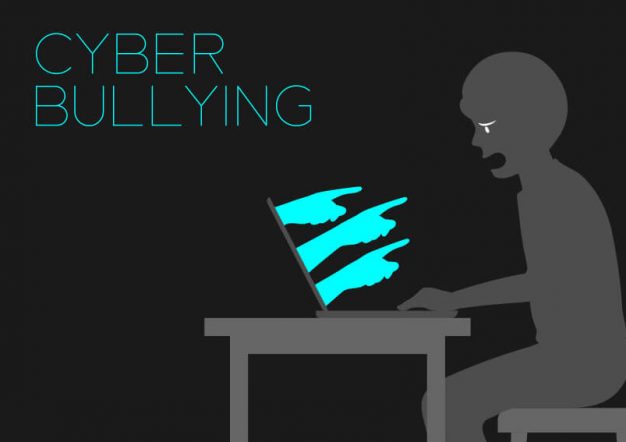
The term “cyberbullying” includes a range of aggressive behaviors committed via modern technology. The goal of cyberbullying is to harass, demean, intimidate or taunt another person with the intent to hurt or embarrass them. The most common forms of cyberbullying are offensive name-calling or the spread of false or harmful rumors.
Cyberbullying vs. Face-To-Face Bullying
In contrast with in-person threats, cyberbullying makes use of internet technologies, mobile devices, video games, and social media. Much of our children’s lives are conducted across virtual communication systems like Facebook, Instagram, and Youtube. Texts, chats, email, and online games are also rife with opportunities to cyberbully.
Whereas a playground bully must face their victim (and risk witnesses), it’s much easier to engage in cyberbullying behind an anonymous screen. This distance often emboldens bullies to act or say things they would never do in person.
Although many dismiss cyberbullying as simple name-calling on Facebook, today’s bullies have a wide array of technology to choose from. Kids spend a large portion of their days using computers, mobile phones, and tablet devices. A Pew Research study showed that teens send about twice as many text messages as adults do, sometimes over 100 messages per day.
In addition to stalking, rumor-spreading, and harassment, cyberbullying behavior can also include:
Impersonating a child online by creating a false identity or by password theft
Using text messages or chat apps like WhatsApp and Snapchat to bombard their victim with threats or harassment
Tricking a victim into thinking the bully is someone else to harass them
Creating entire websites, Instagram accounts, or Facebook pages designed to humiliate a target
Taking or spreading embarrassing or compromising photos or video, whether real or fake
Hacking attacks that deposit malware, steal passwords or take control of their victim’s computer
Attacking behavior aimed at the sexual, racial, physical, or weight-based humiliation of the victim.
Impact of Cyberbullying on Victims
The effects of cyberbullying can be devastating — both physically and emotionally. Victims of cyberbullying have trouble adjusting at school and they’re twice as likely as non-bullied kids to suffer from anxiety, sleep difficulties, and depression. Bullying victims are also more likely to suffer from physical ailments like stomach aches and headaches.
In the US, at least 30,000 children per day stay home from school for fear of bullying. Skipping school can lead to poor grades, social setbacks, low self-esteem, and other ramifications that can affect a student’s life for years after the bullying has stopped. Bullied kids may also be leery of forming friendships and could become wary and untrusting of others.
Even children who merely witness bullying can experience negative effects. They can suddenly no longer want to go to school and they may carry excessive guilt for not being able to help the victim.
Bullies themselves often grow up to have problems of their own. Cyberbullies are at increased risk of drug abuse, academic issues, and violent behavior (and reaping its consequences).
Cyberbullying can be life-threatening. Although the press tends to feature high-profile cases of suicide as a common response to bullying, according to Yale University, only 7-9 percent of bullied victims are more likely to consider committing suicide than those who hadn’t been bullied.
However, the Centers for Disease Control lists suicide as one of the leading causes of death among kids aged 15-19 years. In the UK, half of the youth suicides are sourced to bullying.
These statistics are particularly sobering when you consider that bullying can be prevented.
Cyberbullying even affects parents. In some states, parents can be held legaly responsible for their children who bully others and be subject to civil lawsuits.
Signs of Cyberbullying
Most children won’t admit to being cyberbullied; only 10 percent of victims tell their parents. Their silence can be due to threats made by the bully (“If you tell anyone, I’ll hurt you”) or desire to avoid the shame of admitting they’ve gotten themselves into a dangerous situation, even if it’s through no fault of their own. That means you’ll need to do some proactive observing to keep your kids safe from bullies.
Kids at Risk of Being Cyberbullied
Unfortunately, some kids are more at risk for being cyberbullied than others. According to a 2016 study published in the journal BioMed Central, cyberbullying victims represent a different set of demographics than other kinds of bullying victims.
Black and Hispanic children are less likely to be cyberbullied than other ethnicities.
Children who are already struggling with depression or suicidal thoughts are more likely to be cyberbullied.
Kids outside of mainstream social cliques are at greater risk of being bullied overall.
For example, kids who do drugs, are sexually active, are significantly overweight or underweight, have asthma, or play a lot of video games can be tempting targets for cyberbullies.
On the plus side, the study also identified some protective behaviors that can help keep kids from being easy targets:








 Behavioural Science